
The Proper Way to Water Plants: A Comprehensive Guide
Watering plants may seem like a straightforward task, but doing it correctly can make a significant difference in the health and longevity of your greenery. Whether you have a thriving indoor garden or a lush outdoor landscape, understanding the nuances of proper watering can help your plants flourish. Here’s a detailed guide on the best practices for watering plants.
Understanding Your Plants’ Needs
Different plants have different water requirements. Factors such as the type of plant, the stage of growth, the season, and the local climate all play a role in determining how much and how often you should water.
- Know Your Plant Types:
- Succulents and Cacti: These plants store water in their leaves and stems and require less frequent watering.
- Tropical Plants: These plants typically need more water and higher humidity.
- Flowering Plants: These often need consistent watering, especially during blooming periods.
- Soil Type: Soil composition affects water retention. Sandy soils drain quickly and may require more frequent watering, while clay soils retain water longer.
- Climate Considerations: In hot and dry climates, plants may need more frequent watering compared to cooler, more humid environments.
When to Water
The timing of your watering can impact plant health significantly.
- Morning Watering: The best time to water plants is in the early morning. This allows water to soak into the soil before the heat of the day causes it to evaporate. Morning watering also gives plants a chance to dry out during the day, reducing the risk of fungal diseases.
- Evening Watering: If morning watering isn’t possible, evening is the next best option. However, avoid late evening watering, as water sitting on the leaves overnight can lead to mold and mildew.
How to Water
The method you use to water your plants is as important as the timing. Seriously!
- Water Deeply and Infrequently: Water deeply and thoroughly to ensure that the roots receive sufficient moisture rather than give them a shallow watering every day. This encourages roots to grow deeper into the soil, making plants more drought resistant. Ensure the water reaches the root zone, which typically means watering until the soil is moist at least 6 inches deep.
- Avoid Overwatering: Overwatering is a common mistake that can lead to root rot and other issues. Ensure that the soil has proper drainage and that you allow the top inch of soil to dry out between waterings for most plants. Check the soil moisture before watering by sticking your finger about an inch into the soil. If it feels dry, it’s time to water.
- Water at the Base: Watering at the base of the plant, near the soil, minimizes water loss through evaporation and reduces the risk of fungal diseases on the foliage. (So, avoid broadcast watering with a hose.)
Tools and Techniques
Using the right tools can make watering more effective and efficient.
- Drip Irrigation Systems: For larger gardens, drip irrigation systems provide a consistent, controlled water supply directly to the soil, reducing waste. Irrigation systems are the best solution for all of your outdoor plants.
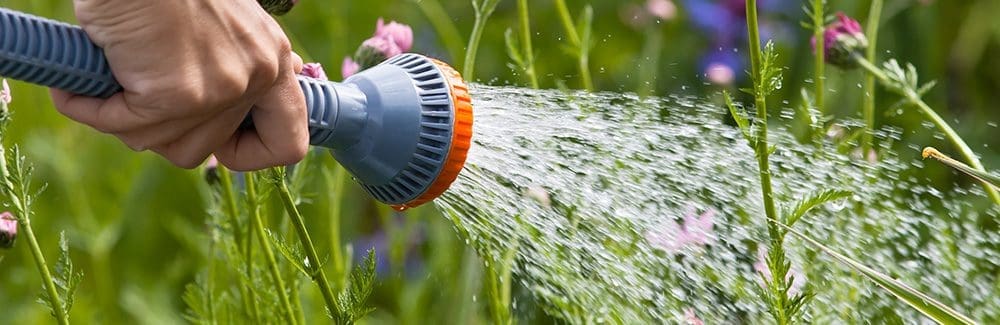
- Watering Cans and Hoses: Choose a watering can with a narrow spout for precise watering or use a hose with a gentle spray nozzle.
- Self-Watering Containers: These are great for indoor plants, as they help maintain consistent moisture levels with minimal effort.
Special Considerations
- Container Plants: Plants in containers dry out faster than those in the ground and may require more frequent watering. Ensure containers have drainage holes to prevent waterlogging.
- Mulching: Applying a layer of mulch around your plants helps retain soil moisture, reduces evaporation, and can prevent weed growth.
- Seasonal Adjustments: Adjust your watering schedule with the changing seasons. Plants generally need less water in the cooler months and more during the hot, dry periods. During the growing season (spring and summer), they may need more frequent watering, while in the dormant season (fall and winter), their water requirements decrease.
Signs of Proper and Improper Watering
Understanding the signs of overwatering and underwatering can help you adjust your watering practices accordingly.
- Signs of Overwatering: Yellowing leaves, moldy soil, root rot, and wilting despite wet soil.
- Signs of Underwatering: Dry, crispy leaves, wilting, and soil pulling away from the sides of the pot.
Conclusion
Watering plants properly is a balance of understanding your plants’ needs, using the right techniques, and adjusting for environmental conditions. By following these guidelines, you can ensure your plants receive the optimal amount of water, promoting healthier growth and more vibrant blooms. Happy gardening!
Feel free to share your experiences and tips in the comments below. Happy watering!
If you’re interested in additional expert advice, or even a consultation for an irrigation system, then contact us today!
No responses yet