

One of the jewels of the Michigan and Indiana coastline are its picturesque rolling dunes. These unique geographic features are not only beautiful, but they serve an extremely important role in the coastline’s ecosystem. The plant and animal life that calls the dunes home needs them to stay protected from the water and predators as well as keep surrounding infrastructure from being prone to damage from the lakes. It’s no coincidence that the Indiana Dunes area is the home to the beginning principles of dynamic ecology through the work of early 20th century scientist Henry Chandler Cowles, who studied the Indiana Dunes.
Dune restoration is the act of rehabilitating dunes that have been damaged or disrupted by either human made influence or extreme weather. They can also be restored as an iterative practice to ensure their long-term structural stability.
If you’re looking for high-quality, reputable dune restoration and stewardship services, you’ve come to the right place! Contact us today to learn how we can help.
Why is Dune Stewardship Important in Coastal Communities?
As we said above, dunes are crucial to the shoreline ecosystem and provide protection for humans and smaller species alike from the lake and elements. It’s incredibly important for coastal communities to really invest in not just dune restoration, but dune stewardship: carefully maintaining dunes and restoring them just a little bit seasonally, rather than waiting until dunes need catastrophic restructuring after a storm or particularly hard winter.
With a healthy dune ecosystem, coastal roads are more likely to stay intact; indigenous wildlife are able to flourish; beaches stay the size they should be. All the things that make living near our Great Lakes wonderful are due in part to the dunes we know and love. Who wouldn’t want to keep them healthy and well-maintained?
Steps for Dune Restoration
Now that you’re convinced, what to do? As a luxury landscaping company with roots in coastal Michigan and Indiana, we are well-suited to address dune restoration projects. Our expertise in selecting native plants and restoring the integrity of the sand dunes themselves will deliver long-lasting, environmentally sound results – and results that look GOOD, too!
Dune restoration depends on the size and scope of the project, but can be boiled down into a few simple steps.
Assessment/Planning
First, it’s important to assess the situation: does this require massive replenishment of sand, or is it simply a matter of adding more native plants back to the dunes? We’ll determine what the best combination of steps are as well as plan a timeline that honors weather needs as well as gives the plants we bring the best chance to survive.
Plant Selection and Placement
Every coastal ecosystem is unique: we’ll determine not just the correct plants, but the best plants for your specific dune ecosystem. Depending on whether your property encompasses foredune or backdune, we’ll select plants that are best suited to weather the moisture and spray of lake-facing dunes or the denser plants that create “dune mats” that hold the sand in place.
Erosion Control Methods
One of the best ways to mitigate and control erosion is the planting of the ‘dune mats’ we mentioned above. Primarily for the backdune (the side away from water), dune mats are a dense intertanglement of plants whose roots intertwine to create a robust “mat” that literally ties the sand in place. They protect the sand beneath them from the wind and rain and, the older they get, the deeper their roots will go, thus making the dune more secure.
If the situation is more severe than reinforcing plant life would address, you can also ‘nourish’ your beach by adding sand back to it, creating dunes that might have been lost.
It’s important to note that no matter what, dunes will remain dynamic and shift slightly with the wind and rain; that being said, healthy dunes will shift less dramatically and better stand the test of time.
Native Dune Plants
Our beautiful Lake Michigan dunes are a unique ecosystem with rare and endangered plants; with so much biodiversity it would take a very long time to list all of them. Some of the most common native dune plants include:
American beach grass (Ammophila breviligulata)

American beach grass is one of our favorite tools for dune stabilization and restoration; their rhizomes (roots, more or less) extend up to three feet into the dune and can grow extremely quickly, which means that they can really latch onto the dunes and keep them stable. Not only that, but it’s an incredibly hardy grass that withstands sun, spray, wind, and heat quite well.
Prairie Sandreed (Calamovilfa longifolia)
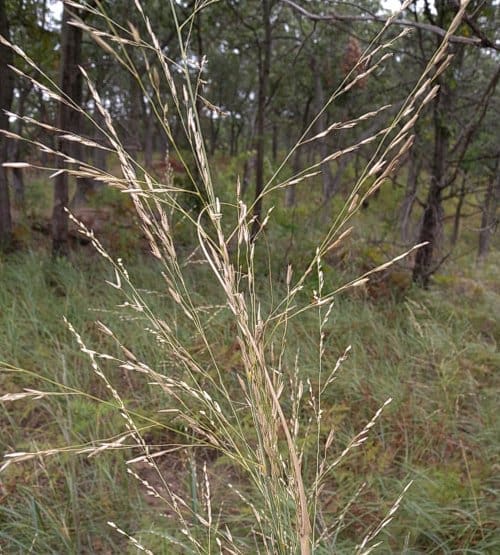
Prairie sandreed is another grass crucial in dune restoration and stabilization. Similarly to American beach grass, its rhizomes create a dense mat that locks into dunes and prevents wind and water erosion as well as the added bonus of improving water quality in the area.
American Dunegrass / American Dune Rye (Leymus mollis)
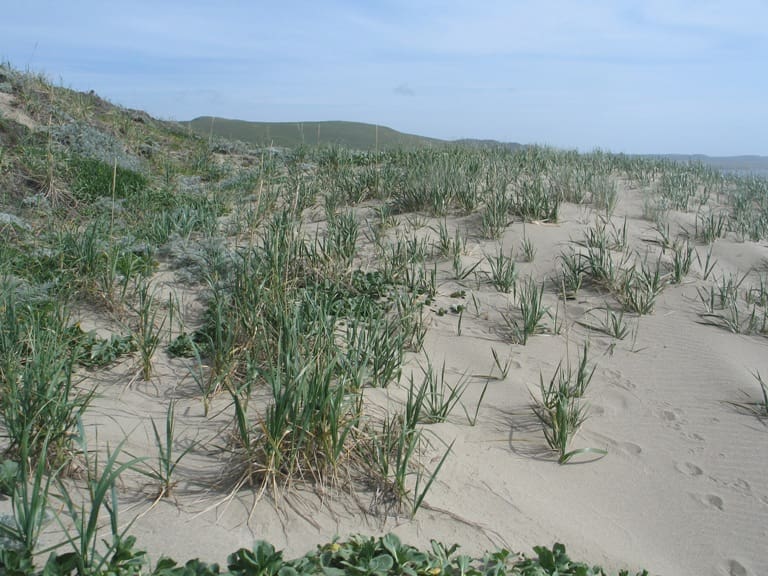
American dunegrass grows along both the oceanic coasts of America as well as the Great Lakes region. it originates in Asia but has since spread to much of the northern hemisphere. This is a foredune grass, or water facing: it thrives in harsh environments, and is sometimes referred to as the “skeleton” of the dune as its rhizomes are some of the first to lock into the sand and prevent erosion.
Canada Wild Rye (Elymus canadensis)
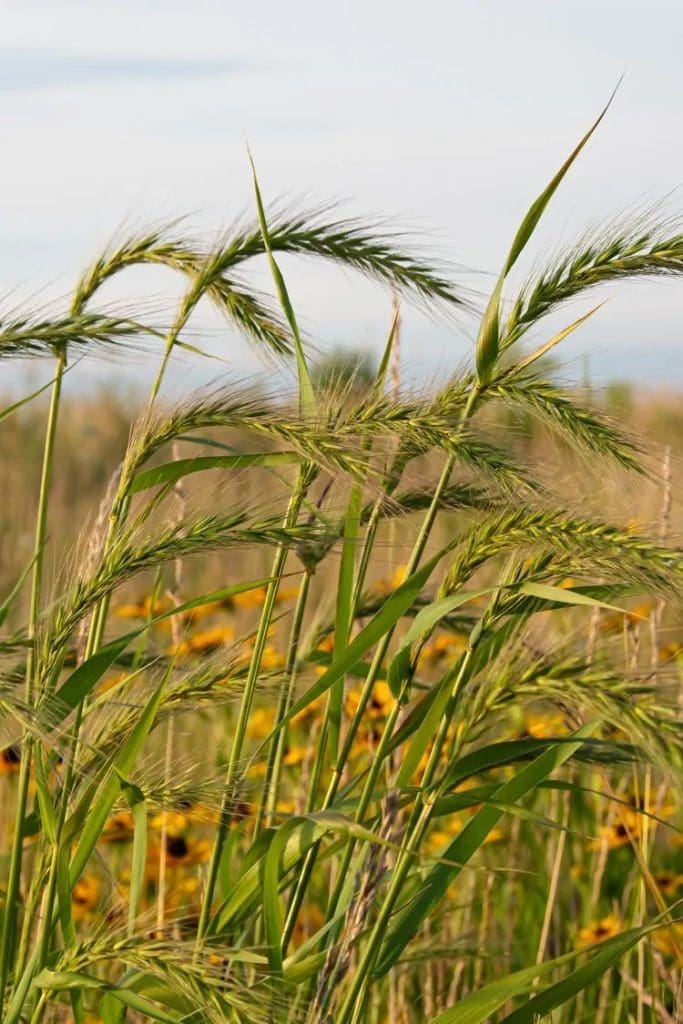
Canada or canadian wild rye is another grass that establishes quickly on a dune and provides near-instant protection. It can grow up to four feet tall, though its spiky seedheads tend to cause the grass to droop.
Great Lakes Wheat Grass/Sand-dune Wheatgrass (Elymus lanceolatus subsp. psammophilus)
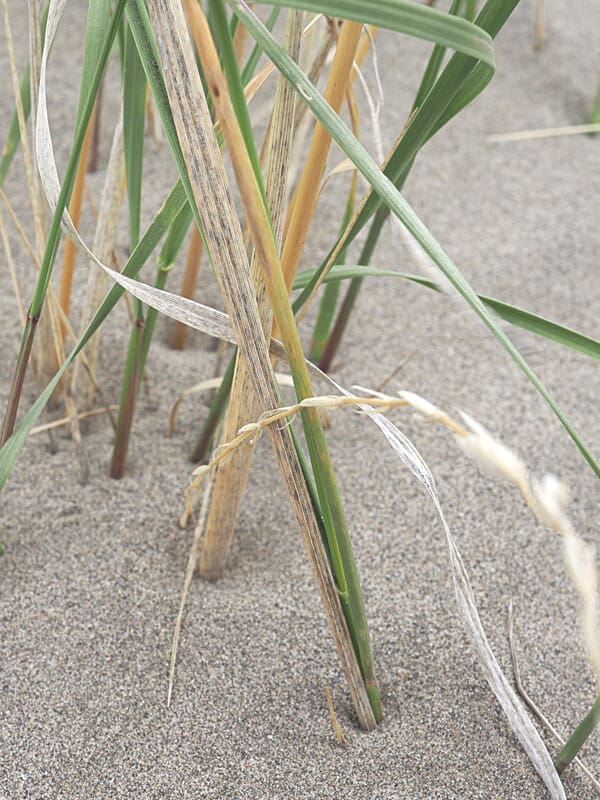
Another thick, sod-forming grass, Great Lakes Wheat Grass is a great option for its capacity to form sod with its thick network of rhizomes. It’s not just a grass for dunes, either– it works as graze fodder for livestock as well due to its higher protein content.
Successful Dune Restoration Projects
Over the past 3 years (2022 – 2024), Topiarius as been working on a dune restoration project along the southwest shoreline. The pictures below capture the transformation.
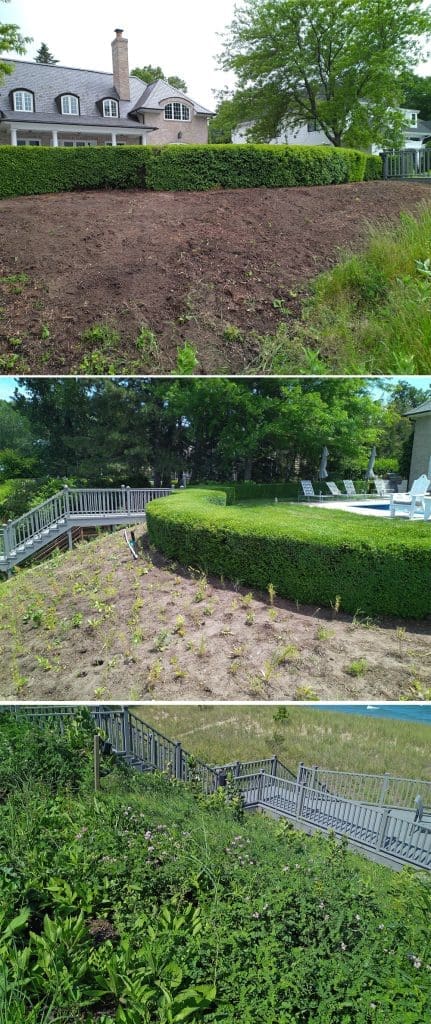
The project began in 2022 with the removal of unwelcome plants. Irrigation was installed and plant plugs (aka small plants) were planted. Over the summer there was substantial growth filling the dune.

By the end of the 2023 summer, the plantings were in full bloom along with lots of Black-eyed Susan.
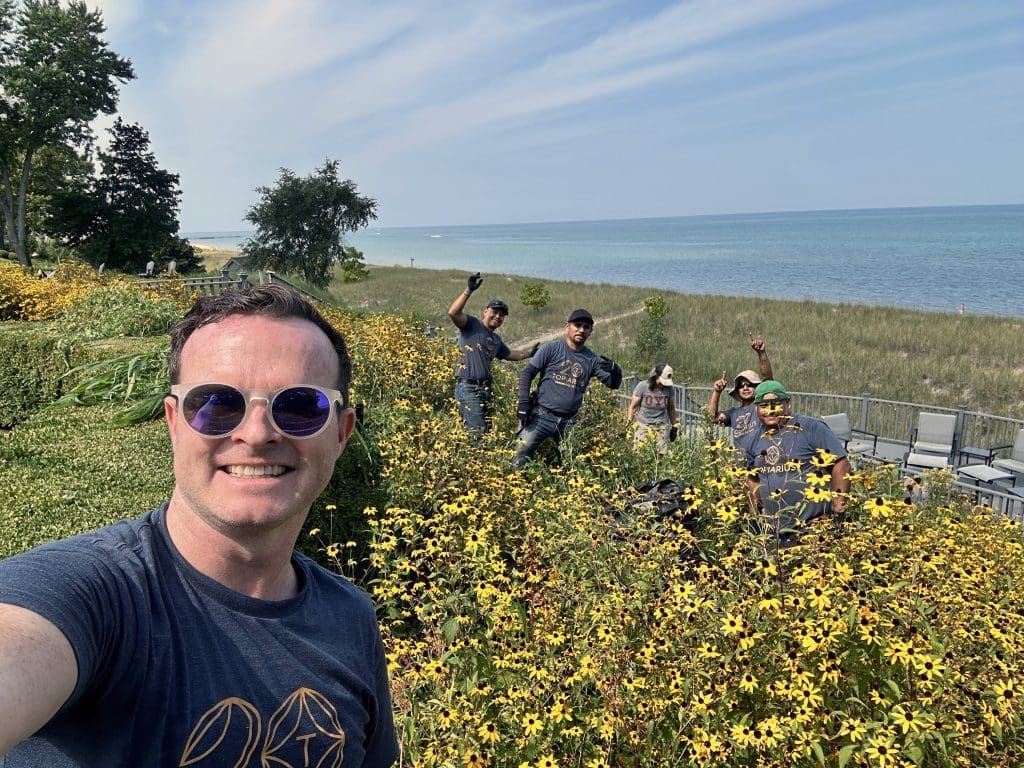
This past summer (2024), the team now is in maintenance mode and is accurately identifying invasive weeds and removing them (excitedly).
Get Started on Your Dune Restoration Project
Topiarius is standing at the ready to stabilize and/or restore your dunes to their sandy, ecologically sound glory. We provide free consultations, in which we’ll analyze your specific needs and situation to develop a proposal and an estimate that we believe will get the job done. If you want to keep your dunes in tip-top shape with plenty of grasses to anchor them, we’re standing at the ready to make the difference. Check out our fleet of landscaping services in Michigan and Indiana, too!
Frequently Asked Questions
Why should I choose Topiarius for dune restoration?
We are experts in selecting native plants in our landscaping projects; this paired with our background as a Great Lakes landscaping company means we know how much the dunes can mean. We are happy to visit your property on the shoreline for a consultation and give you our best estimate on what exactly needs to be done.
How does dune restoration benefit coastal properties?
Dunes stand as a barrier between the potentially dangerous and destructive waters of the lake and your property; a healthy dune ecosystem will minimize erosion, preserve your beaches, and make sure that other infrastructure like roads and /or your house stay safe from the elements.
How can homeowners contribute to dune stewardship?
If you have a lakefront property, ensuring any dunes you have are well maintained or restored will protect native plants and animals; call us today to see how we can help you steward your dunes.
How long does the dune restoration process take?
Dune restoration is a project of years; not months: besides the initial restoration process of the sand itself, it takes several seasons for plantlife to fully establish and create the dense network of rhizomes that keep the dunes in place. Typically it can take at least a year and up to five. It’s worth it, though!
No responses yet