
Enhancing Landscape Design with Breeze Blocks
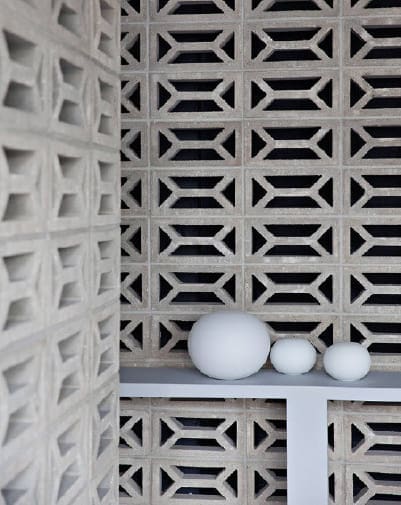
Breeze blocks, also known as architectural blocks or screen blocks, have been a staple in building design since the mid-20th century. Originally popularized in modernist architecture, these versatile concrete blocks are making a strong comeback in landscape design. Their geometric patterns, durability, and multifunctional use make them an excellent choice for enhancing outdoor spaces. In this blog post, we will explore the various ways breeze blocks can be incorporated into your landscape design to create stylish and functional outdoor areas.
The Versatility of Breeze Blocks
Breeze blocks are available in a variety of patterns, shapes, and sizes, allowing for endless design possibilities. They can be used to create walls, partitions, planters, seating, and even decorative elements in your garden.
Creating Visual Interest with Walls and Partitions
Breeze blocks can be used to build low garden walls or taller partitions, adding structure and visual interest to your landscape. These walls can serve multiple purposes, such as defining garden spaces, providing privacy, or creating a backdrop for plants and other garden features. The patterns in the blocks allow light and air to pass through, creating intriguing shadows and adding a sense of depth to your outdoor area. You can paint the blocks to match your garden’s color scheme or leave them in their natural state for a more rustic look.
For example in these rooftop renderings, the breeze blocks provide screening, division between areas, and an elevated aesthetic.
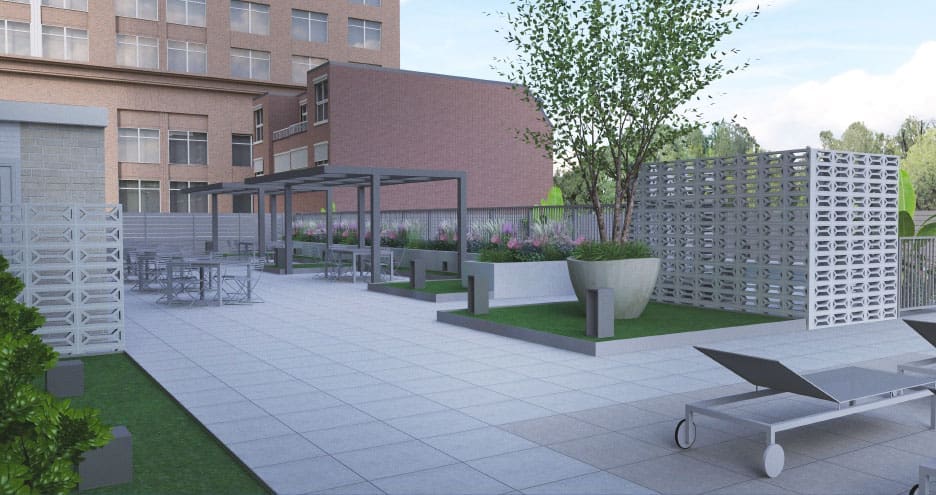
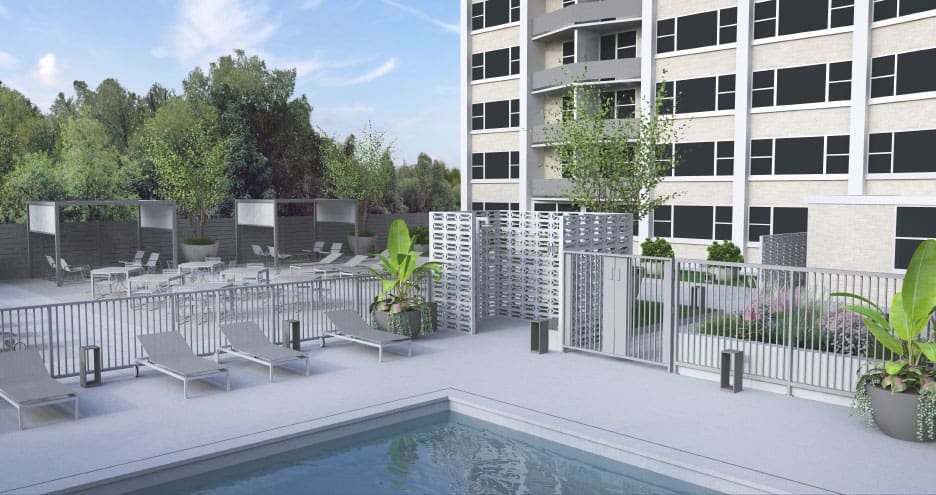
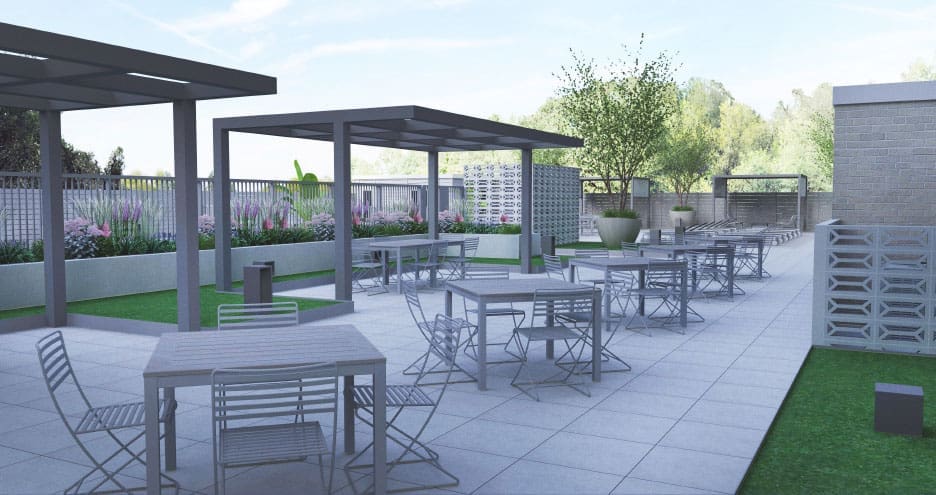
Breeze block versatility and aesthetic appeal make them a popular choice for modern gardens, and their durability ensures they will withstand the elements for years. Whether you’re looking to create privacy, enhance garden features, or simply add a touch of modernism to your landscape, breeze blocks are a stylish and practical solution.
Ready to transform your garden with breeze blocks? Start by exploring different patterns and configurations to see how they can enhance your outdoor space. Share your designs and ideas in the comments below, and let us know how you’ve used breeze blocks in your landscape design!
Or if you’re interested in speaking with us about using breeze blocks in your design, contact us through our online form.
Common Questions about Concrete Breeze Blocks for the Landscape
What materials are used to make breeze blocks?
Breeze blocks are typically made from a mixture of materials, including:
- Cement: This acts as the binding agent that holds the other materials together.
- Sand: Provides bulk and strength to the blocks.
- Aggregate: This can be various types of crushed stone, gravel, or other similar materials to add volume and strength.
- Water: Used to mix and set the cement and other materials.
How much maintenance is required for a breeze block wall?
The maintenance required for a breeze block wall can vary depending on several factors, including the environment, exposure to elements, and the quality of construction. Generally, breeze block walls are known for their durability and low maintenance, but here are some specific maintenance considerations:
- Regular Cleaning: Periodically clean the wall to remove dirt, dust, and any organic growth like moss or algae. This can usually be done with water and a mild detergent or a pressure washer on a low setting.
- Inspection for Damage: Regularly inspect the wall for any signs of cracks, chips, or structural damage. Small cracks can be filled with mortar or a suitable filler to prevent further deterioration.
- Repointing Mortar Joints: Over time, the mortar between the blocks can deteriorate. Repointing the mortar joints can help maintain the wall’s structural integrity and appearance.
- Sealing: Depending on the location and exposure, applying a sealant can help protect the wall from moisture, especially in areas prone to heavy rainfall or frost.
- Efflorescence Removal: Occasionally, white powdery deposits called efflorescence can appear on the surface due to water-soluble salts. This can be cleaned with a stiff brush and water or a specialized efflorescence remover.
- Vegetation Control: Keep plants, vines, and trees away from the wall to prevent root damage and reduce moisture buildup.
- Paint or Coating Maintenance: If the wall is painted or coated, periodically check for peeling or flaking paint and touch up as needed to maintain its appearance and protection.
- Structural Monitoring: For load-bearing walls, ensure that there are no signs of structural issues such as bowing or leaning. If any significant structural concerns arise, consult a professional.
Overall, breeze block walls are relatively low maintenance, but regular inspection and minor repairs can help extend their lifespan and maintain their appearance.
What architecture is complimented best by breeze block?
Breeze blocks can complement a variety of architectural styles, thanks to their versatility and distinctive aesthetic. Here are some architectural styles that are particularly well-suited to incorporating breeze blocks in their landscape design:
- Mid-Century Modern: Breeze blocks are iconic in mid-century modern architecture. They are often used in screen walls, facades, and decorative features, contributing to the clean lines, geometric shapes, and indoor-outdoor living emphasis characteristic of this style.
- Brutalism: This architectural style emphasizes raw concrete and blocky forms. Breeze blocks can add texture and pattern to the stark, monolithic structures typical of Brutalism, providing visual interest without compromising the style’s minimalist ethos.
- Contemporary: Contemporary architecture often embraces a mix of materials and textures. Breeze blocks can be used to create striking feature walls, partitions, or facades, adding a touch of retro charm and a sense of openness and light.
- Industrial: Industrial architecture, with its focus on utilitarian materials and exposed structures, can be complemented by the rough texture and modular nature of breeze blocks. They can be used in both interior and exterior applications to enhance the industrial aesthetic.
- Mediterranean: In Mediterranean-style architecture, breeze blocks can be used to create decorative screens, garden walls, or shaded areas, providing both aesthetic appeal and practical benefits in warm climates.
- Modernist: Modernist architecture, with its emphasis on simplicity and function, can benefit from the use of breeze blocks in creating clean, linear forms and functional yet decorative elements.
- Tropical and Desert: In tropical and desert climates, breeze blocks can be used to create
No responses yet